
A Houston lawmaker wants to more than double Texas’ minimum wage, proposing an increase from $7.25 to $15 an hour as state lawmakers begin filing legislation ahead of the 2027 legislative session. State Rep. Armando Walle, a Democrat from Houston, filed House Bill 132. A similar proposal, House Bill 110, was filed by State Rep. Ana-María Rodríguez Ramos.
Both bills would require employers to pay workers at least $15 an hour, or the federal minimum wage if it is higher. The proposed changes would take effect Sept. 1, 2027, if approved. Texas currently follows the federal minimum wage of $7.25 an hour, which has not increased since 2009.
Houston restaurant owner feels impact of wage debate
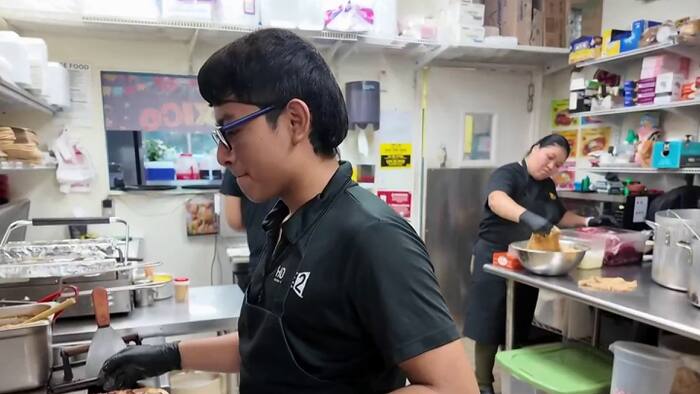
For a look at how the proposed increase could affect small businesses, KPRC 2 went to La Telera, a small Mexican restaurant in southwest Houston on Hillcroft. Oscar Hernandez Diaz, the new owner, said what he pays his employees is fair — and well above the current minimum wage. He pays his staff between $11 and $15 per hour.
Diaz said he understands his employees need a livable wage, which he budgets for, and that most of them hold a second job or have another source of income. Meat is the restaurant’s highest expense, yet La Telera still offers budget-friendly prices to customers.
When asked whether he would consider raising menu prices in the future to offset rising costs, Diaz said he might if he has to. For now, his priority is keeping customers moving through the door. The business wasn’t performing well when he took over three months ago.
Economist says bill has ‘zero chance’ in Texas Senate
So how realistic is it that Texas passes a $15 minimum wage bill? John Diamond, director of the Center for Tax and Budget Policy at Rice University’s Baker Institute, was blunt in his assessment.
“There’s no chance. There’s zero chance of this getting through. It, I mean, it’ll probably get through the House. It won’t get through this Senate,” Diamond said.
For someone working 40 hours a week, the difference between $7.25 and $15 an hour would amount to about $310 more per week before taxes.
Democrats will control the Texas House and governor’s office, but Republicans will retain a majority in the Texas Senate. Both proposals would need to pass the Legislature and receive the governor’s approval to become law.
For now, the proposals are setting up an early debate over wages, affordability and the cost of doing business in Texas.


